Choosing the Right Accounting Plan for Your Business Needs


Understanding Your Business Needs
Choosing the right accounting plan for your business is crucial for effective financial management. Every business has unique needs that depend on factors such as size, industry, and growth stage. Identifying these needs is the first step towards selecting an appropriate accounting solution.

Start by assessing the complexity of your business operations. A small startup may have different requirements compared to a well-established enterprise. Consider the volume of transactions, the need for payroll services, and any specific industry regulations you must adhere to.
Types of Accounting Plans
There are various types of accounting plans available, each tailored for different business sizes and requirements. Understanding these can help you make an informed decision.
Basic Accounting Plans
Basic accounting plans are often suitable for freelancers or small businesses with straightforward financial transactions. They typically include features like expense tracking and basic reporting. These plans are cost-effective and provide just enough functionality to manage simple accounting tasks.
Advanced Accounting Plans
For businesses with more complex needs, advanced accounting plans offer comprehensive features. These may include inventory management, detailed financial reporting, and integration with other business tools. Such plans are ideal for medium to large businesses looking to streamline their financial processes.
Evaluating Software Options
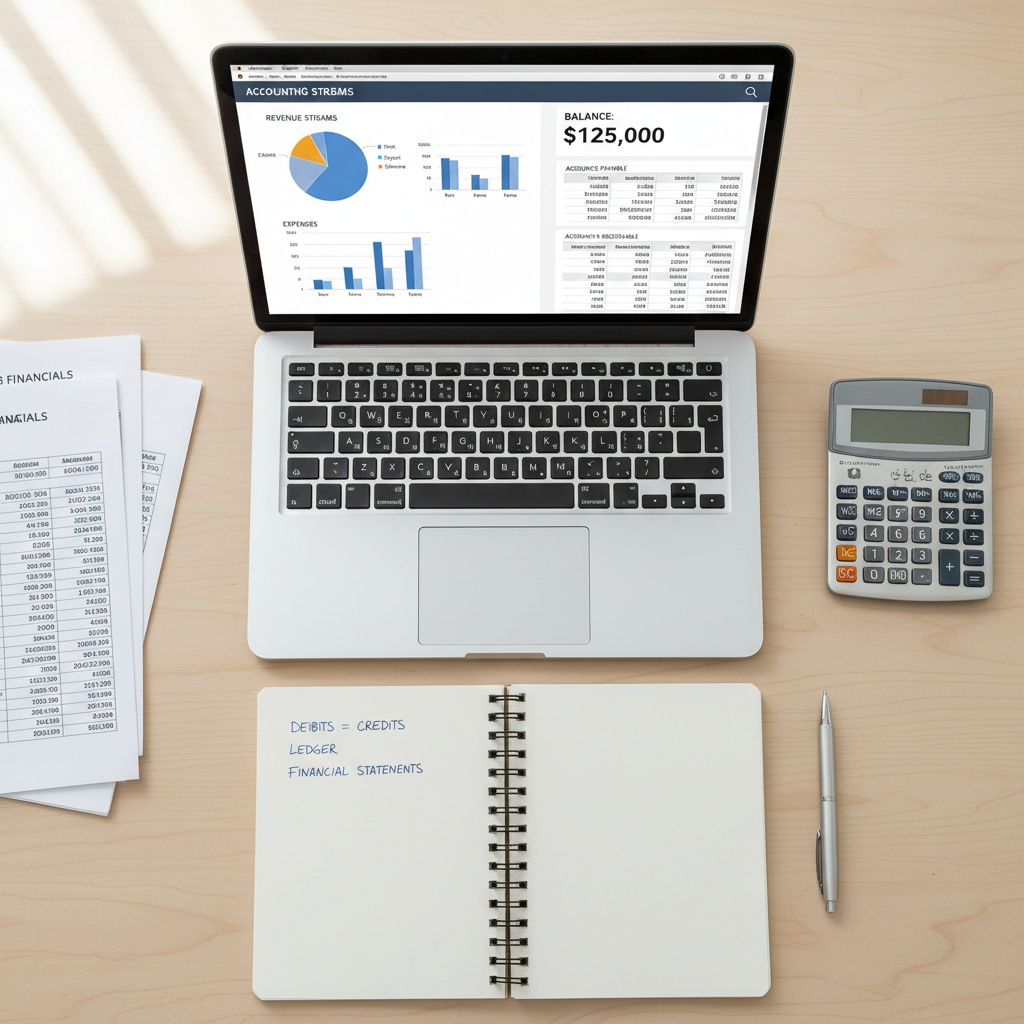
Once you've identified the type of accounting plan that fits your business, the next step is to evaluate software options. Consider factors like user-friendliness, customer support, and the ability to scale with your business. Reading reviews and seeking recommendations from other business owners can also provide valuable insights.
Many accounting software providers offer free trials. Take advantage of these opportunities to test the software's features and see if it aligns with your business operations. Ensure it can handle your current needs and adapt to future growth.
Budget Considerations
Your budget plays a significant role in choosing an accounting plan. While it might be tempting to opt for the cheapest option, it's essential to consider the long-term benefits of investing in a robust accounting solution. A plan that saves time and reduces errors can lead to significant cost savings in the long run.

Compare pricing structures and look for any hidden fees or additional costs. Some providers might charge extra for additional users or features, so ensure you understand the full cost before committing.
Conclusion
Choosing the right accounting plan is a strategic decision that can impact your business's financial health. By understanding your needs, evaluating different options, and considering your budget, you can find a solution that supports your business's growth and success. Remember, the right plan will not only manage your finances but also provide insights to drive better business decisions.