Essential Tax Season Preparation Tips for New Zealand Entrepreneurs


Understanding Your Tax Obligations
As a New Zealand entrepreneur, it is crucial to have a clear understanding of your tax obligations. This includes knowing when to file, what to file, and how much to pay. Missing a deadline or underpaying can lead to penalties, so being well-informed is essential. Regularly check the Inland Revenue Department (IRD) website for updates and changes in tax laws.
Organizing Financial Records
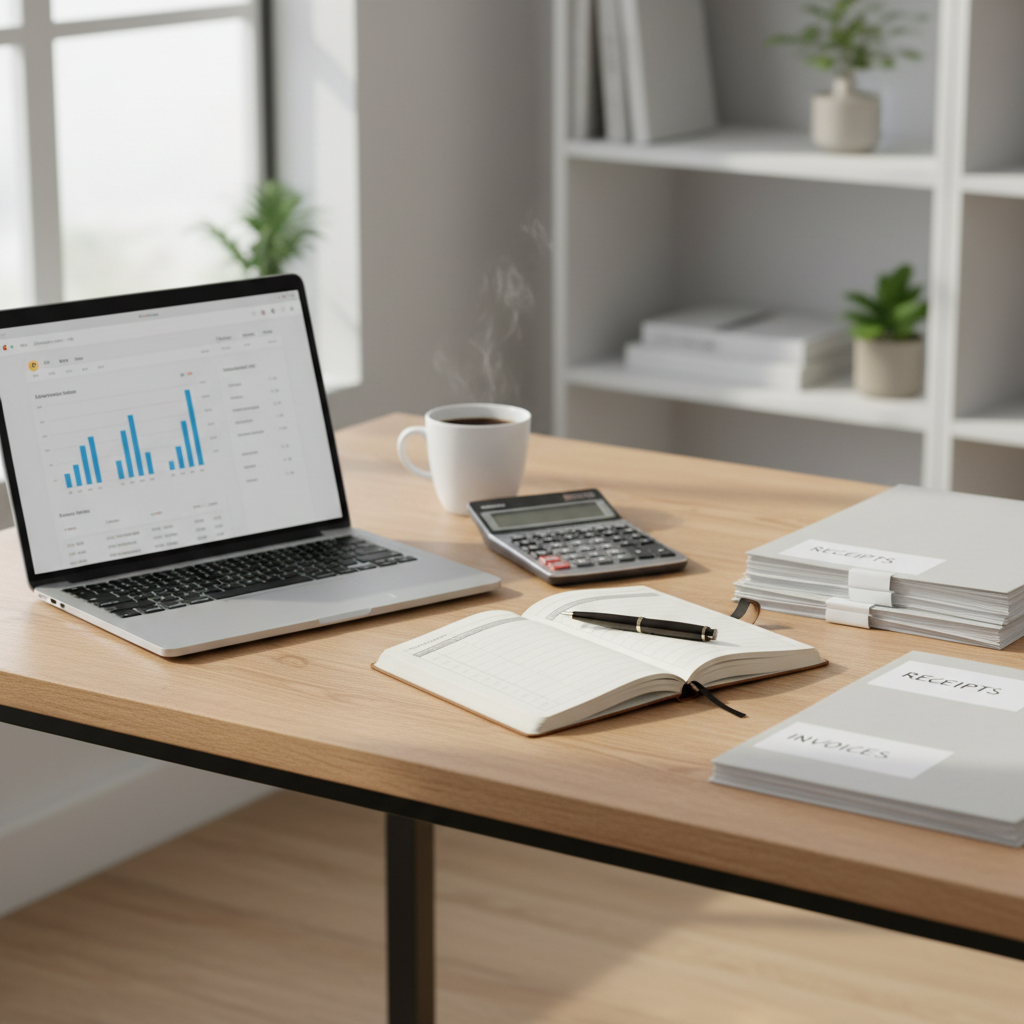
Keeping your financial records organized is a cornerstone of effective tax preparation. Ensure all invoices, receipts, and bank statements are systematically filed and easily accessible. This not only aids in accurate tax filing but also provides a clear picture of your business’s financial health. Consider using accounting software to streamline this process.
Utilizing Accounting Software
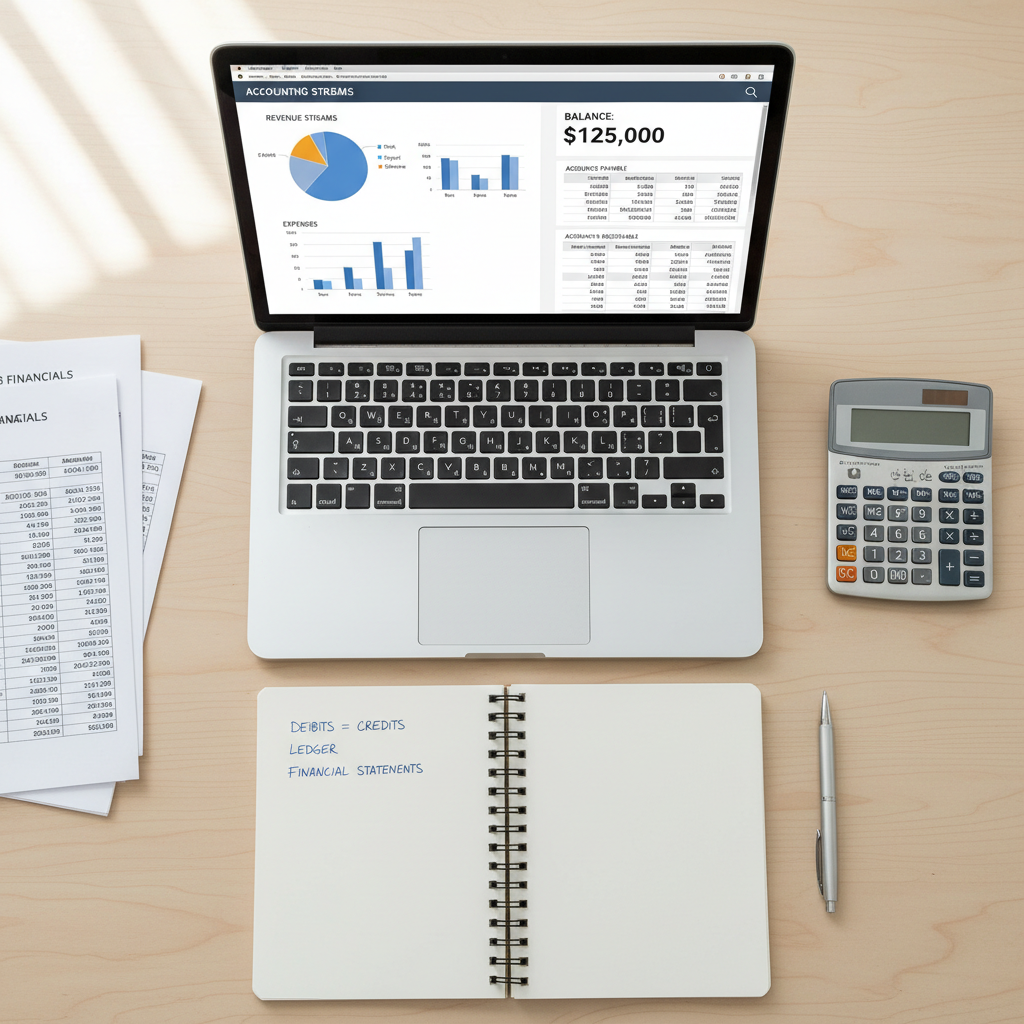
Investing in reliable accounting software can significantly ease the burden of tax preparation. These tools help automate record-keeping, track expenses, and generate financial reports. They also reduce the risk of human error and ensure compliance with tax regulations.
Understanding Deductions and Credits
Familiarize yourself with the deductions and credits available to New Zealand businesses. Common deductions include expenses related to business operations, such as office supplies, utilities, and travel. Maximizing these deductions can considerably reduce your tax liability.
Claiming Business Expenses
To claim business expenses, ensure they are necessary and directly related to your business activities. Keep thorough records of each expense, including receipts and invoices. This documentation will be crucial if your claims are ever questioned by the IRD.
Seeking Professional Guidance
While many entrepreneurs handle their taxes independently, seeking professional guidance can be invaluable. Tax professionals can offer personalized advice, ensure compliance, and help identify potential savings. Hiring an accountant or tax advisor might be a worthwhile investment for your business.
Choosing the Right Tax Professional
When selecting a tax professional, consider their experience, qualifications, and familiarity with your industry. A proficient advisor can make a significant difference in your tax strategy and overall financial management.
Planning Ahead for Tax Payments
To avoid last-minute stress, plan ahead for tax payments. Set aside a portion of your income regularly to cover your tax liabilities. This proactive approach ensures you have the necessary funds when payments are due, minimizing financial strain.

Reviewing and Reflecting
Once the tax season is over, take time to review your process and outcomes. Analyze what worked well and identify areas for improvement. This reflection will help you refine your approach for the next tax season and enhance your overall business management.