Expert Tips for Preparing Your Business Finances for Tax Season


Organize Your Financial Records
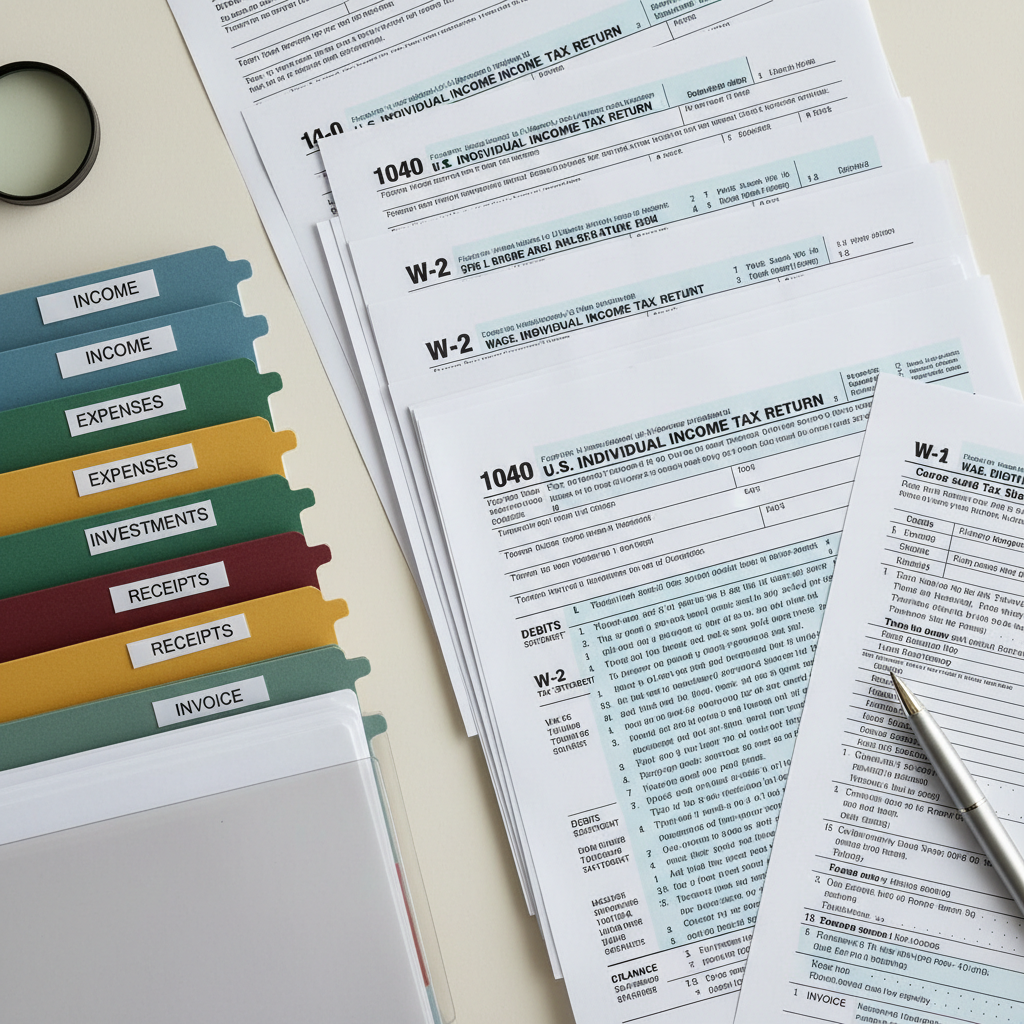
Preparing for tax season begins with organizing your financial records. Having everything in order simplifies the process significantly. Gather your income statements, expense receipts, and any other financial documents from the past year. Consider using digital tools or software to keep these records in a neat and easily accessible format.
Maintaining clear and organized records not only helps with tax preparation but also ensures you can provide documentation if audited. Regularly updating your records throughout the year can make this task less daunting when tax season arrives.
Understand Your Deductions
Knowing which deductions you are eligible for can save your business a significant amount of money. Common deductions include office expenses, travel, and business-related meals. Make sure to keep all necessary documentation to support any deductions you claim.
Consulting with a tax professional can help you identify all possible deductions. They can provide insights into less obvious deductions that could benefit your business, ensuring you maximize your tax savings.

Reconcile Your Accounts
Reconciling your accounts is a crucial step before filing taxes. This process involves matching your internal financial records with bank statements to ensure consistency. Any discrepancies should be addressed and corrected promptly.
Regular reconciliation throughout the year can prevent end-of-year surprises and ensure that your financial statements are accurate. This practice not only aids in tax preparation but also provides a clear picture of your business’s financial health.
Set Aside Funds for Tax Payments
Businesses often underestimate the amount they will owe in taxes. To avoid a financial crunch, set aside funds throughout the year specifically for tax payments. Consider opening a separate account to ensure these funds are readily available when tax time comes.

Estimating your tax liability in advance can help you determine how much to set aside. This proactive approach prevents last-minute scrambling and ensures you can meet your tax obligations without disrupting your cash flow.
Consult a Tax Professional
While some businesses handle taxes in-house, consulting a tax professional can provide peace of mind and expert guidance. Professionals can help ensure compliance with tax laws and optimize your tax strategy to benefit your business.
Tax laws are constantly changing, and a professional can keep you informed about any new regulations that may affect your business. Their expertise can be invaluable, especially for complex tax situations.

Review and Update Your Financial Strategy
Tax season is an excellent opportunity to review and update your financial strategy. Analyze your business’s performance over the past year and make adjustments where necessary to improve efficiency and profitability.
Consider setting new financial goals and implementing strategies to achieve them. This forward-thinking approach can set your business on a successful path for the coming year and beyond.
By following these expert tips, you can streamline your tax preparation process and ensure your business is well-prepared for tax season. Taking proactive steps now can save time, reduce stress, and potentially lead to significant tax savings.