How Cloud Accounting Simplifies Financial Management for SMEs


Introduction to Cloud Accounting
Cloud accounting is transforming how small and medium-sized enterprises (SMEs) manage their finances. By leveraging online platforms, businesses can streamline their financial processes, enhance accuracy, and access real-time data from anywhere. This technological advancement has made financial management not only more efficient but also more accessible for SMEs.
Real-Time Financial Data
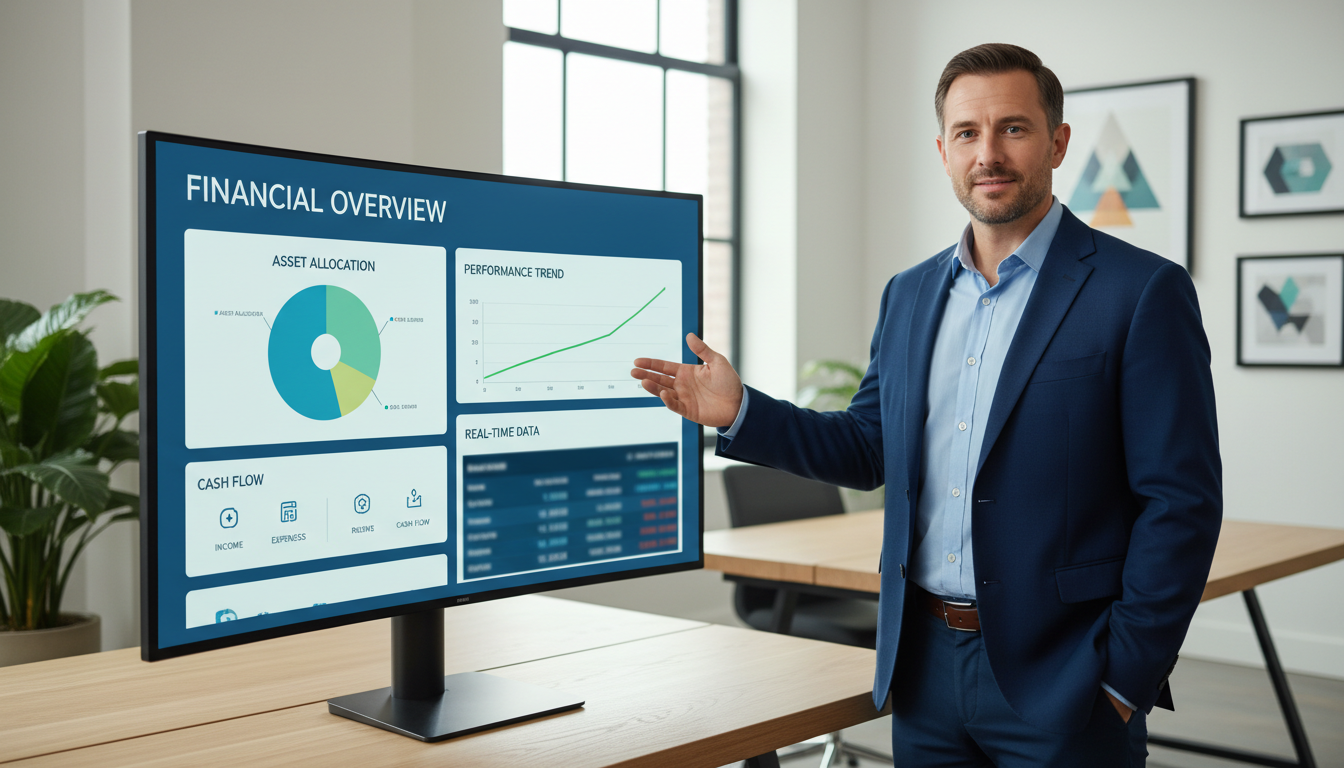
One of the most significant advantages of cloud accounting is access to real-time financial data. Traditional accounting methods often involve manual data entry and delayed reporting, which can hinder decision-making. With cloud accounting, SMEs can access up-to-date financial information instantly, allowing for more informed business decisions.
Real-time data ensures that business owners and financial managers have a clear view of the company’s financial health at any moment. This immediacy helps in identifying trends, spotting potential issues early, and capitalizing on opportunities promptly.
Cost-Effectiveness and Scalability
Cloud accounting solutions are generally more cost-effective than traditional accounting software. They typically operate on a subscription basis, reducing the need for hefty upfront investments in software licenses and IT infrastructure. This pay-as-you-go model is particularly beneficial for SMEs that need to manage costs effectively.
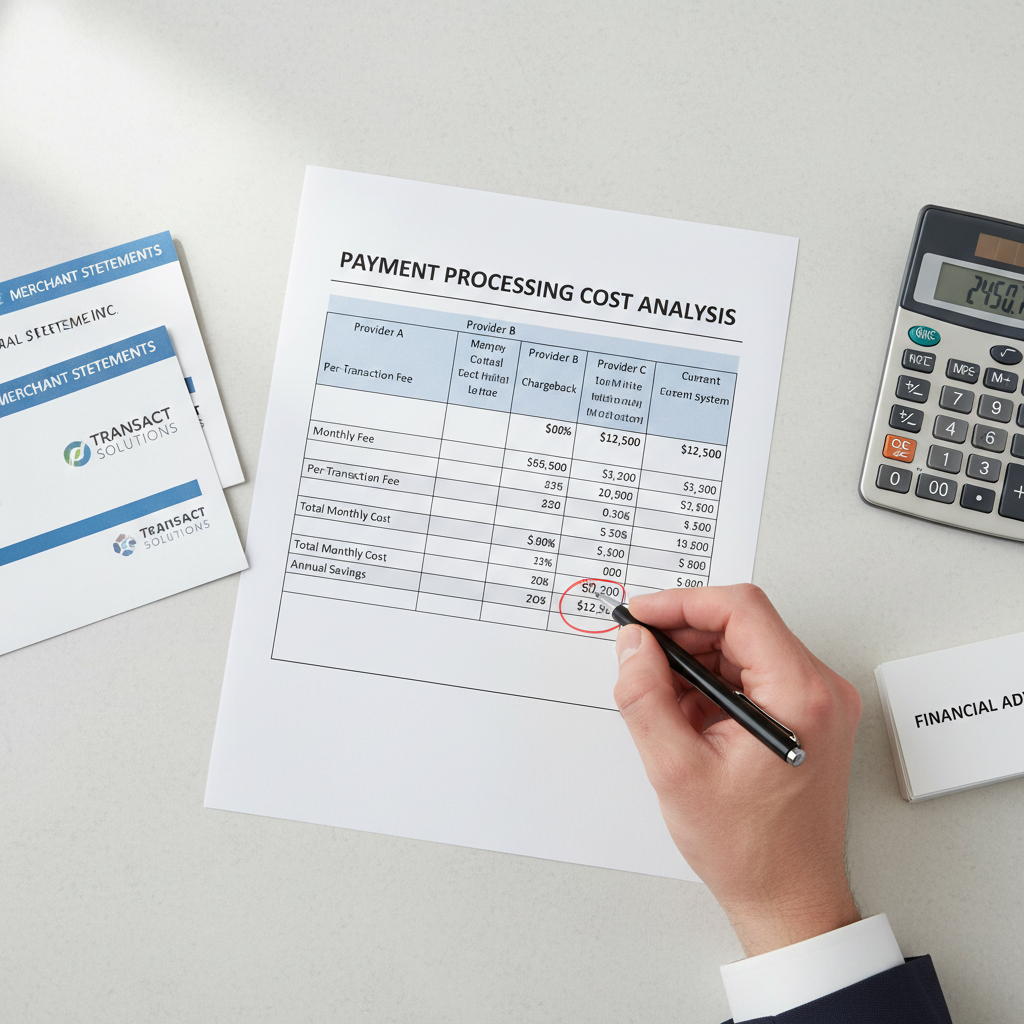
Moreover, cloud accounting platforms are highly scalable. As a business grows, its financial management needs become more complex. Cloud solutions can easily scale to accommodate these changes, ensuring that businesses do not outgrow their accounting systems.
Enhanced Collaboration and Accessibility
Cloud accounting fosters improved collaboration among team members. With multiple users able to access the system simultaneously, accountants, managers, and stakeholders can work together more efficiently. This collaborative capability eliminates the need for constant back-and-forth communication and reduces the likelihood of errors.
Additionally, cloud accounting provides unparalleled accessibility. Whether working from the office, home, or on the go, users can access the system from any device with internet connectivity. This flexibility is crucial for SMEs that require mobility and adaptability in today’s fast-paced business environment.

Improved Security and Compliance
Security is a paramount concern for any business handling financial data. Cloud accounting platforms offer robust security measures, such as data encryption and secure user authentication, to protect sensitive information. These platforms are often more secure than traditional systems, where data might be stored locally and be more vulnerable to breaches.
Furthermore, cloud accounting helps ensure compliance with ever-changing financial regulations. Providers regularly update their software to reflect the latest legal requirements, reducing the burden on SMEs to keep up with compliance changes themselves.
Automated Processes and Error Reduction
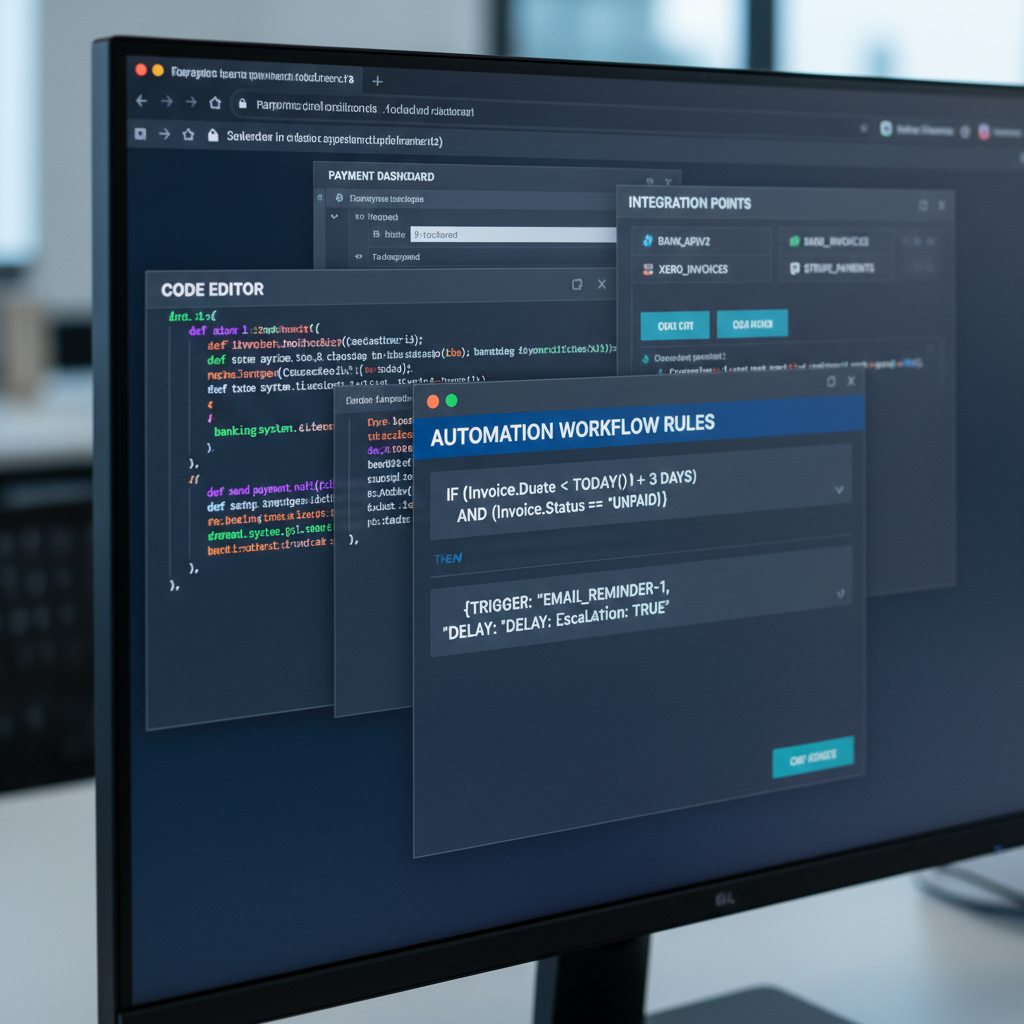
Automation is a key feature of cloud accounting, helping to minimize manual entry errors and save time. Routine tasks such as invoicing, payroll, and reporting can be automated, allowing staff to focus on more strategic activities that drive business growth.
By automating these processes, SMEs can reduce the risk of human error, ensuring more accurate financial records. This accuracy is crucial for maintaining trust with stakeholders and making sound business decisions.
Conclusion
Cloud accounting is a powerful tool that simplifies financial management for SMEs. By offering real-time data access, cost-effectiveness, scalability, enhanced collaboration, improved security, and automation, cloud accounting platforms empower businesses to manage their finances more effectively. As the business landscape continues to evolve, SMEs that embrace cloud accounting will be better positioned to thrive in a competitive environment.