MYOB vs. Cloud Accounting Services: Which is Right for Your Business?


Understanding MYOB
MYOB, short for "Mind Your Own Business," is a well-established accounting software that has been around for decades. It's popular among small to medium-sized enterprises (SMEs) for its robust features and comprehensive tools that cater to various business needs. MYOB offers desktop and cloud-based solutions, providing flexibility for different types of users. However, choosing the right option depends on your specific requirements and business size.
Advantages of MYOB
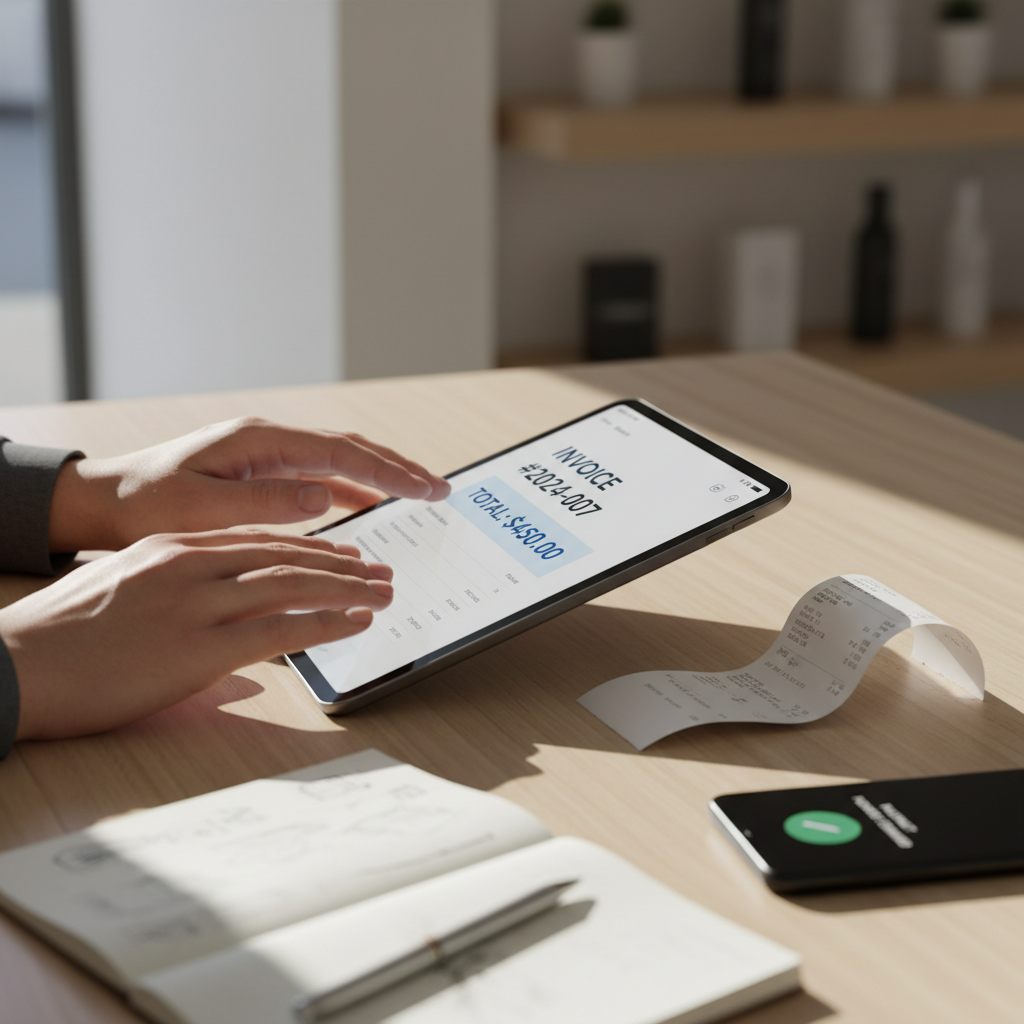
One of the key benefits of using MYOB is its comprehensive range of features. It covers everything from payroll and invoicing to inventory management and tax reporting. MYOB is particularly well-suited for businesses that prefer a familiar, established brand with a reputation for reliability. Additionally, its desktop version can be a great choice for companies needing offline access to their data.
Exploring Cloud Accounting Services
Cloud accounting services have revolutionized how businesses manage their finances. By moving accounting tasks online, these services allow for real-time data access from anywhere, making them incredibly versatile. Popular cloud accounting platforms include Xero, QuickBooks Online, and FreshBooks, each offering unique features tailored to different business needs.

Benefits of Cloud Accounting
The primary advantage of cloud accounting services is their accessibility. With an internet connection, you can access your financial data from virtually any device. This flexibility is crucial for businesses with remote teams or those that require frequent travel. Additionally, cloud services often integrate seamlessly with other business tools, enhancing overall productivity.
Comparing Costs
When considering MYOB versus cloud accounting services, costs are an essential factor. MYOB often requires an upfront investment for its desktop software, while its cloud version involves a subscription model. Cloud accounting services typically operate on a subscription basis, which can be more manageable for cash flow as it spreads the cost over time. However, it's important to assess which solution offers the most value based on the features you truly need.

Security Considerations
Security is a major concern for any business handling sensitive financial data. MYOB’s desktop version may appeal to those wary of storing data online, as it keeps information locally. On the other hand, reputable cloud accounting providers invest heavily in cybersecurity measures, often offering robust encryption and regular backups. Evaluating the security features of each option is crucial when making your decision.
Scalability and Future Growth
Another factor to consider is scalability. As your business grows, so will your accounting needs. Cloud accounting services are generally more scalable, as they can easily accommodate increased data volume and complexity. MYOB also offers scalable solutions, but transitioning from desktop to cloud versions may require additional effort and cost.

Making the Right Choice
Ultimately, the choice between MYOB and cloud accounting services depends on your specific business needs and preferences. Consider factors such as accessibility, cost, security, and scalability when making your decision. If your business operates in a traditional setting with minimal remote work, MYOB’s desktop version could be sufficient. Conversely, if flexibility and remote access are priorities, cloud accounting might be the better fit.
In summary, both MYOB and cloud accounting services offer valuable features tailored to different business contexts. By carefully evaluating your current and future needs, you can choose the solution that best aligns with your business goals, ensuring efficient and effective financial management.