The Role of Technology in Modern Accounting Practices


The Evolution of Accounting
The accounting industry has undergone a significant transformation with the advent of technology. Gone are the days of manual bookkeeping and ledger entries. Today, accounting practices are more efficient, accurate, and insightful thanks to technological advancements.
With the rise of digital tools and software, accountants can now automate routine tasks, allowing for more strategic decision-making. This evolution has not only increased productivity but also enhanced the quality of financial reporting.
Automation and Efficiency
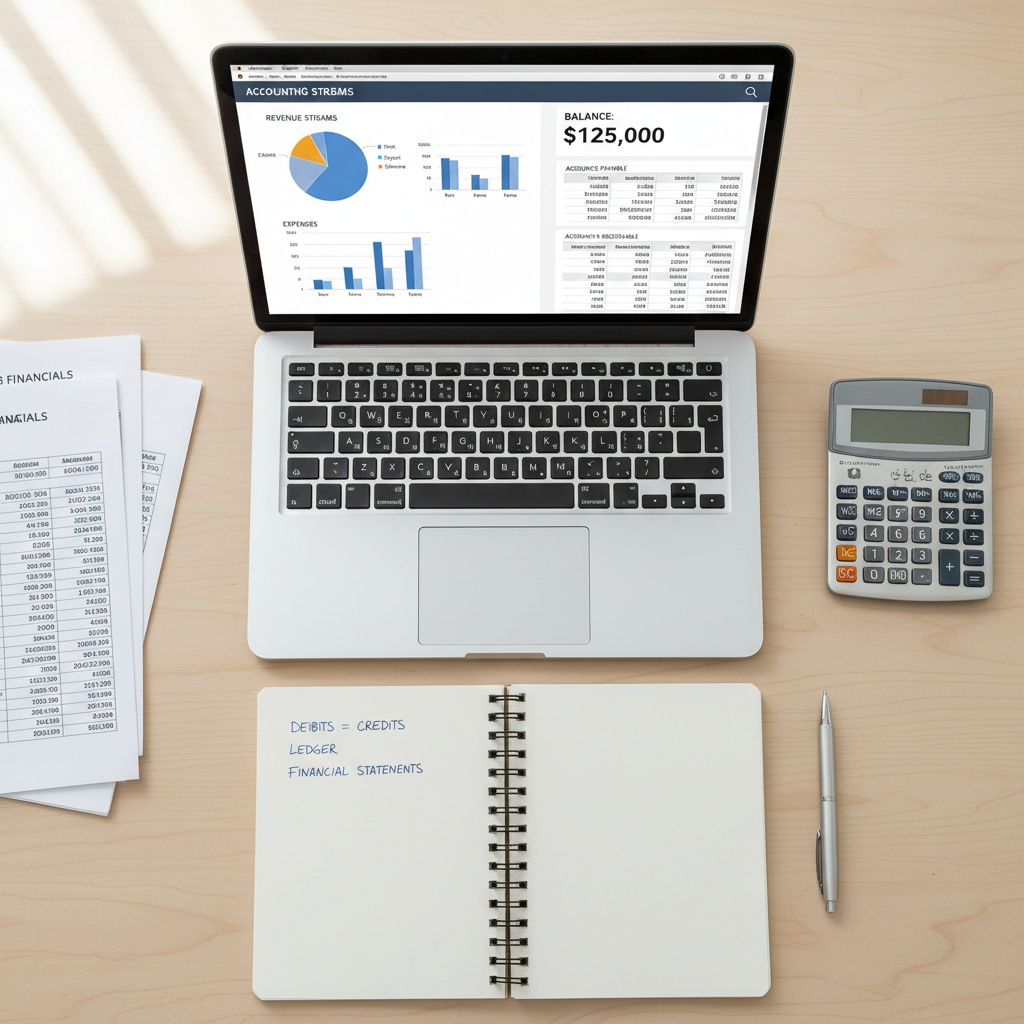
One of the most significant impacts of technology on accounting is the automation of repetitive tasks. Software like QuickBooks and Xero have enabled accountants to automate processes such as invoicing, payroll, and tax calculations.
This automation reduces the risk of human error and frees up time for accountants to focus on more complex analyses and strategic planning. As a result, businesses can make more informed financial decisions.
The Role of Artificial Intelligence
Artificial intelligence (AI) is playing a crucial role in modern accounting practices. AI-driven tools can analyze vast amounts of data quickly, providing insights that would be impossible to gather manually.
For instance, AI can detect anomalies in financial transactions, helping to prevent fraud and ensure compliance with regulations. These capabilities make AI an invaluable asset in the accounting industry.

Cloud Computing in Accounting
Cloud computing has revolutionized how accountants access and manage financial data. With cloud-based accounting software, data can be accessed from anywhere, at any time, providing flexibility and convenience.
This accessibility allows for real-time collaboration between accountants and their clients, ensuring that financial data is always up-to-date and accurate. Furthermore, cloud storage enhances data security by protecting sensitive information with advanced encryption methods.
Data Analytics and Insights
Data analytics is another area where technology has significantly impacted accounting. By leveraging big data, accountants can gain deeper insights into financial trends and patterns.
These insights enable businesses to forecast future financial performance and make strategic decisions that drive growth. Data analytics also helps in identifying cost-saving opportunities and optimizing resource allocation.

The Future of Accounting
As technology continues to evolve, the future of accounting looks promising. Emerging technologies such as blockchain and machine learning are set to further transform the industry.
Blockchain, for example, offers the potential for transparent and secure transaction records, while machine learning can enhance predictive analytics capabilities. These innovations will continue to shape the accounting landscape, driving efficiency and accuracy.
In conclusion, the role of technology in modern accounting practices is indispensable. By embracing these advancements, accountants can not only improve their efficiency but also add greater value to their clients and organizations.