Top Tax Tips for Auckland’s Small Businesses: Preparing for the Future


Running a small business in Auckland can be both exciting and challenging. One crucial aspect that can often be overwhelming is managing taxes. Proper tax planning is essential for long-term success and financial health. Here are some top tax tips for small businesses in Auckland to help you prepare for the future.

Understand Your Tax Obligations
Every small business owner should have a clear understanding of their tax obligations. In New Zealand, this includes Income Tax, Goods and Services Tax (GST), and potentially Fringe Benefit Tax. Familiarizing yourself with these requirements ensures you stay compliant and avoid unnecessary penalties.
It’s advisable to consult with a tax professional to understand how these taxes apply to your specific business model. They can provide guidance tailored to your situation, ensuring you’re meeting all legal requirements.
Keep Accurate Financial Records
Maintaining accurate financial records is crucial for effective tax management. Implementing a reliable accounting system helps track income and expenses, making tax time less stressful. Regularly updating your financial records also allows you to make informed business decisions.
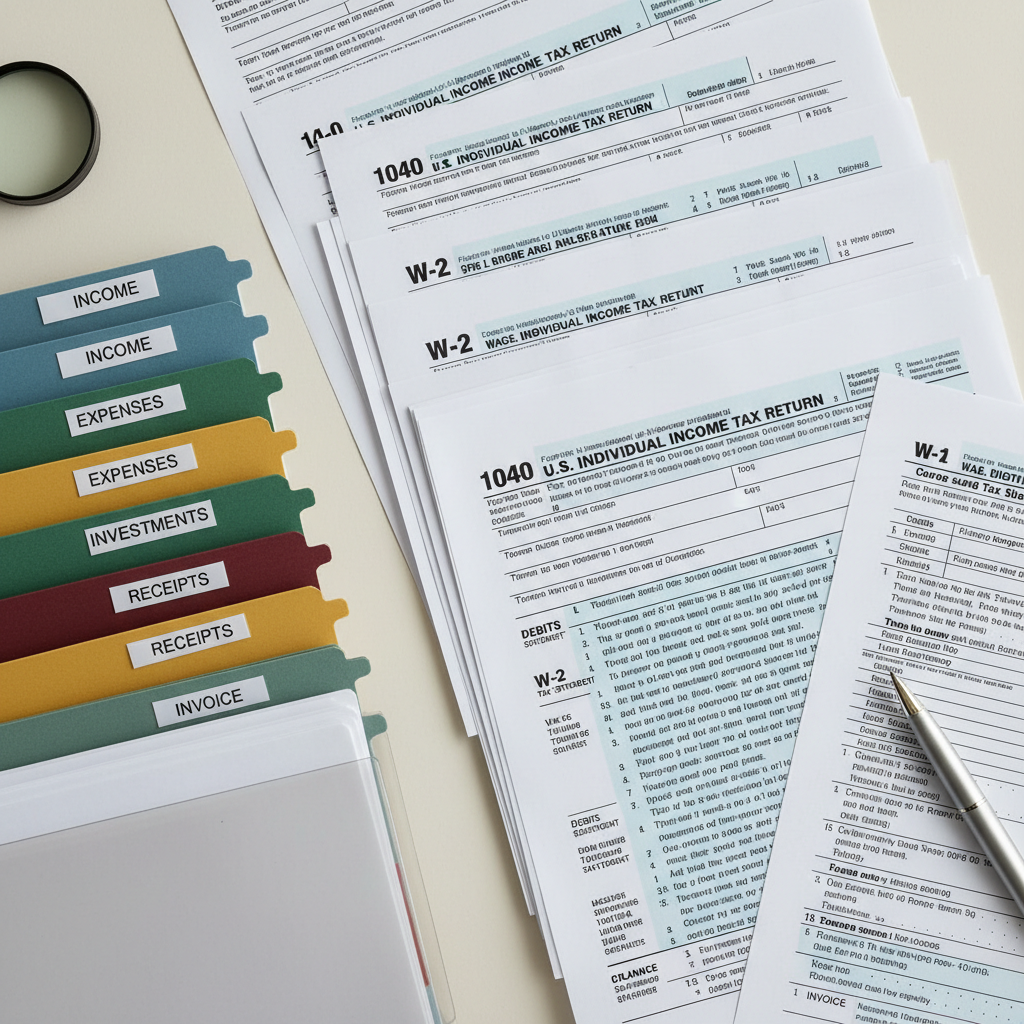
Consider using cloud-based accounting software, which makes it easier to manage your finances on the go. Such tools can also simplify the process of sharing information with your accountant.
Maximize Deductions and Credits
One of the best ways to reduce your tax liability is by maximizing deductions and credits. This includes claiming business-related expenses such as office supplies, travel costs, and marketing expenses. Ensure that you keep all receipts and documentation to support your claims.
Don’t overlook less obvious deductions, such as home office expenses if you work from home. Consult with a tax advisor to identify all possible deductions applicable to your business.

Plan for Provisional Tax Payments
In New Zealand, businesses often need to make provisional tax payments throughout the year. These are estimated tax payments made on your expected income. Planning for these payments is essential to avoid cash flow issues and potential penalties.
Work with your accountant to estimate your provisional tax obligations accurately. Setting aside funds regularly can help ensure you have enough to cover these payments when they are due.
Stay Informed About Tax Law Changes
Tax laws and regulations can change frequently, impacting your business. Staying informed about these changes is crucial to ensure compliance and optimize your tax strategy. Subscribe to newsletters or follow relevant government websites for updates.
Regular communication with your tax advisor can also help you stay ahead of changes that might affect your business. They can provide insights and strategies to adapt to new regulations.
Consider Long-term Tax Planning
While focusing on immediate tax obligations is essential, long-term tax planning can provide additional benefits. Consider strategies such as retirement planning, business structuring, and investment opportunities that can offer tax advantages.
Engaging with a financial planner can be beneficial to explore options that align with your long-term business goals. They can help you build a comprehensive plan that supports growth and sustainability.